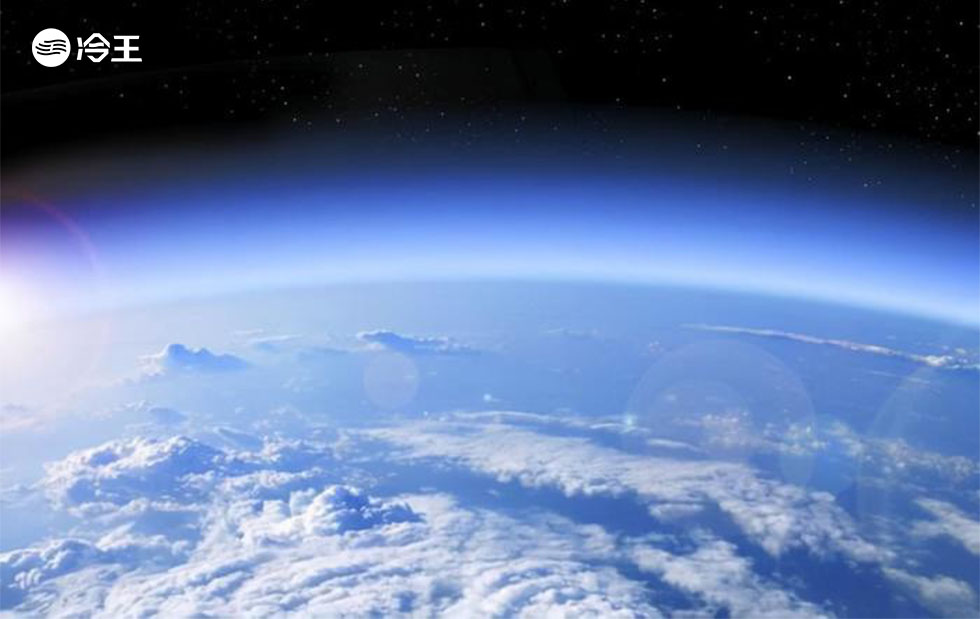
On the occasion of the 40th anniversary of the Vienna Convention for the Protection of the Ozone Layer and the 2025 International Day for the Preservation of the Ozone Layer, the latest Ozone Bulletin released by the World Meteorological Organization delivers encouraging news: In 2024, the depth of the Antarctic ozone hole was below the average level of the past 30 years, and its area was significantly smaller than that observed between 2020 and 2023. The Earth's protective ozone layer continues to recover.
From Convention to Action: The Critical Transformation Path for the Refrigerant Industry
Forty years ago, the Vienna Convention established stratospheric ozone depletion as a global environmental issue and established a framework for transnational scientific cooperation. As the core implementation tool of the Convention, the Montreal Protocol further propelled the refrigerant industry toward revolutionary upgrades with its stringent target of “phasing out over 99% of ozone-depleting substances.” Traditional Freon-based refrigerants, once widely used in air conditioning, firefighting foams, and aerosol products, have gradually been phased out. They have been replaced by new environmentally friendly refrigerants with low global warming potential (GWP).
Science Empowering Industry: Innovation Behind WMO Data
WMO Secretary-General Chloé Scholl noted that this year's theme, “From Science to Global Action,” aligns perfectly with the organization's 75th anniversary slogan, “Science for Action.” Decades of ozone layer monitoring data demonstrate the refrigeration industry's pivotal role in this green transition. Through continuous R&D into natural refrigerants and hydrofluoroolefins (HFOs), the industry has minimized ozone depletion impacts across product lifecycles while maintaining cooling efficiency. These technological innovations not only support the global goal of restoring the ozone layer to 1980s levels by mid-century but also directly reduce risks of skin cancer, cataracts, and ecosystem damage by lowering exposure to ultraviolet radiation.
A Future-Oriented Industry Commitment
Marking the 40th anniversary of the Vienna Convention, refrigeration industry professionals are putting the principle of “Science Drives Action” into practice through concrete measures. As emphasized by the World Meteorological Organization, open data sharing and international cooperation remain the cornerstone of successful environmental agreements. In the journey toward ozone layer recovery, the refrigerant industry has been both a witness and an indispensable actor.
Looking ahead, as the Kigali Amendment tightens controls on hydrofluorocarbons (HFCs), the refrigerant sector will undergo a new wave of technological innovation and industrial transformation. Guided by science, the refrigeration industry will continue to drive innovation as its engine, writing a new chapter in green development while addressing the dual challenges of protecting the ozone layer and combating climate change.
Related articles
-
2026-09-16
Product Overview: Solstice® R449A serves as a preferred low GWP solution for medium and low temperature refrigeration systems.
News -
2025-10-30
Market Dynamics: Dual-Track Analysis of Refrigerant Market's Steady Uptrend and Quota Adjustments
News -
2025-09-08
Market Dynamics: Hidden Price Hike Trends in Refrigerant Supply-Demand Balance
News